William Josephs Radford Unveils Transparent: A Lenticular Series That Uses AI to Erase, Not Resurrect, the Dead
William Joe Josephs Radford © All rights reserved
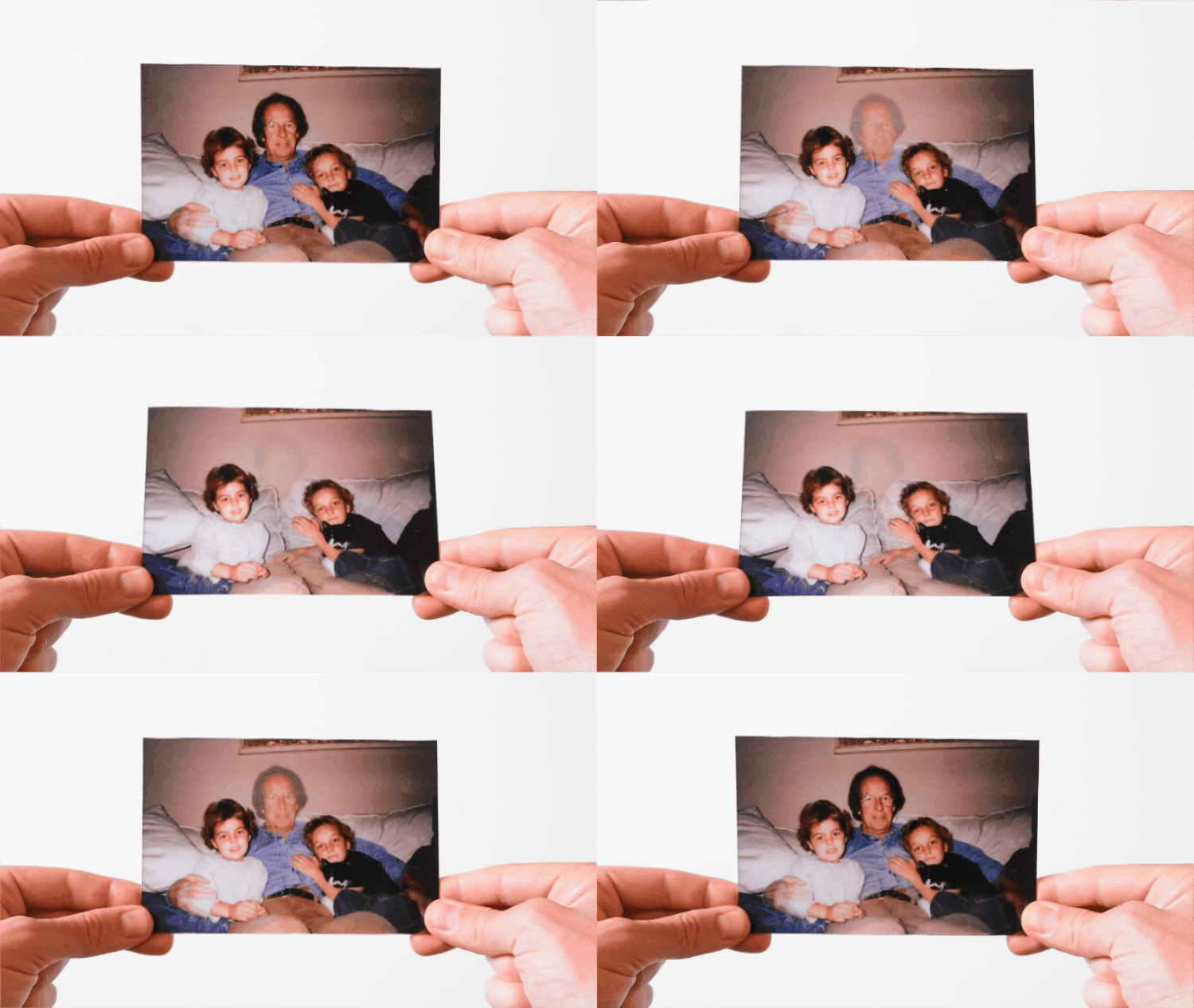
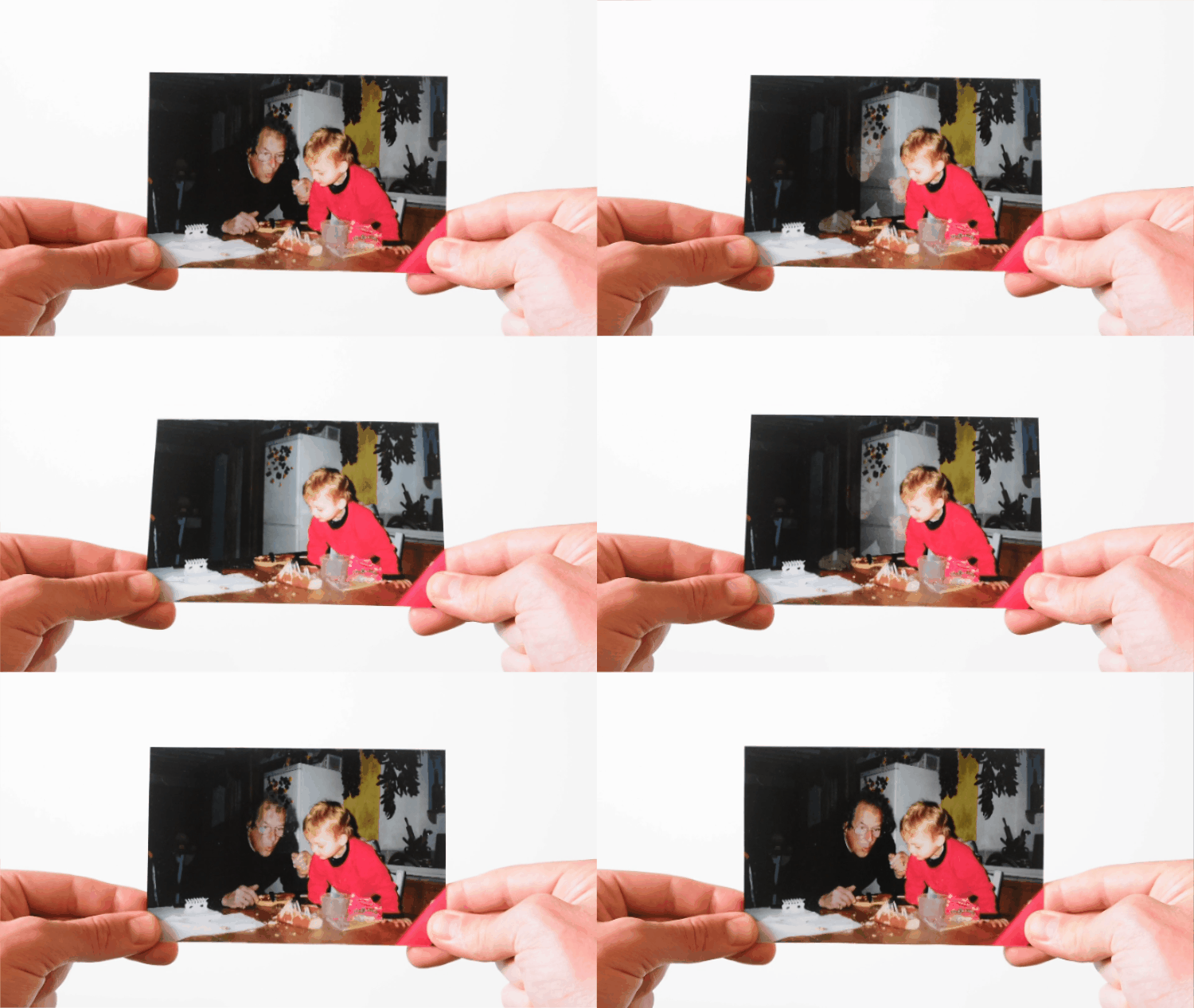
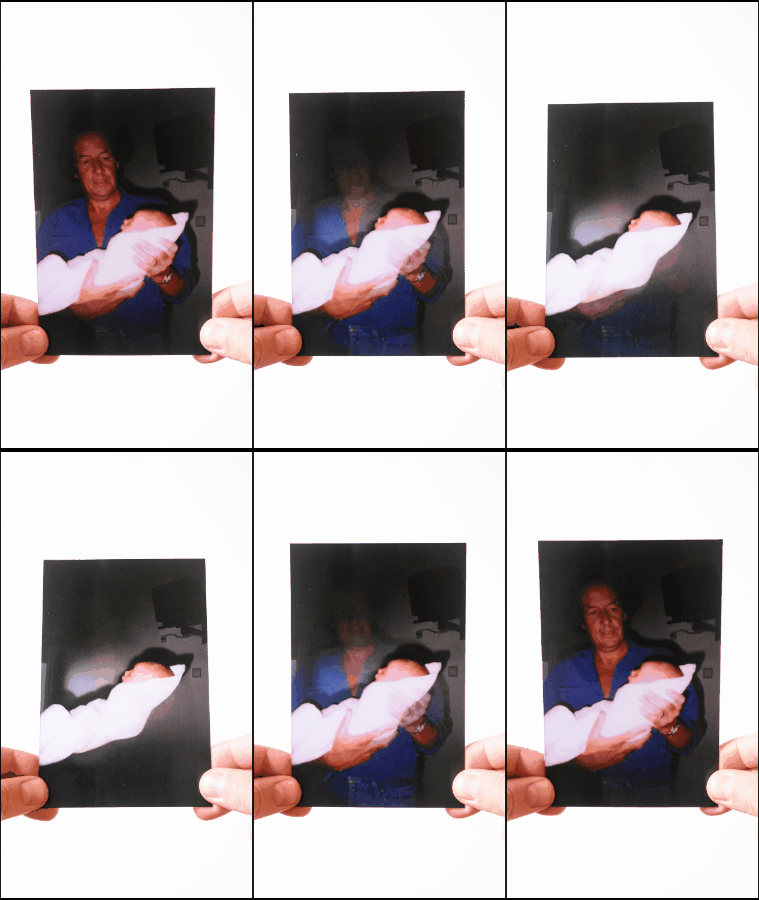
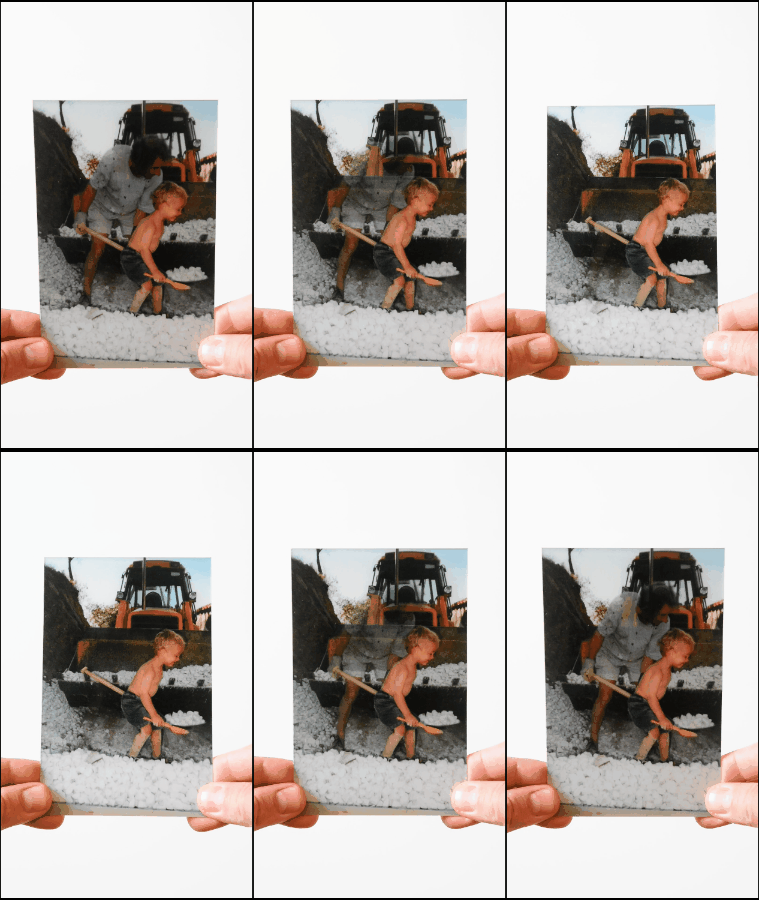
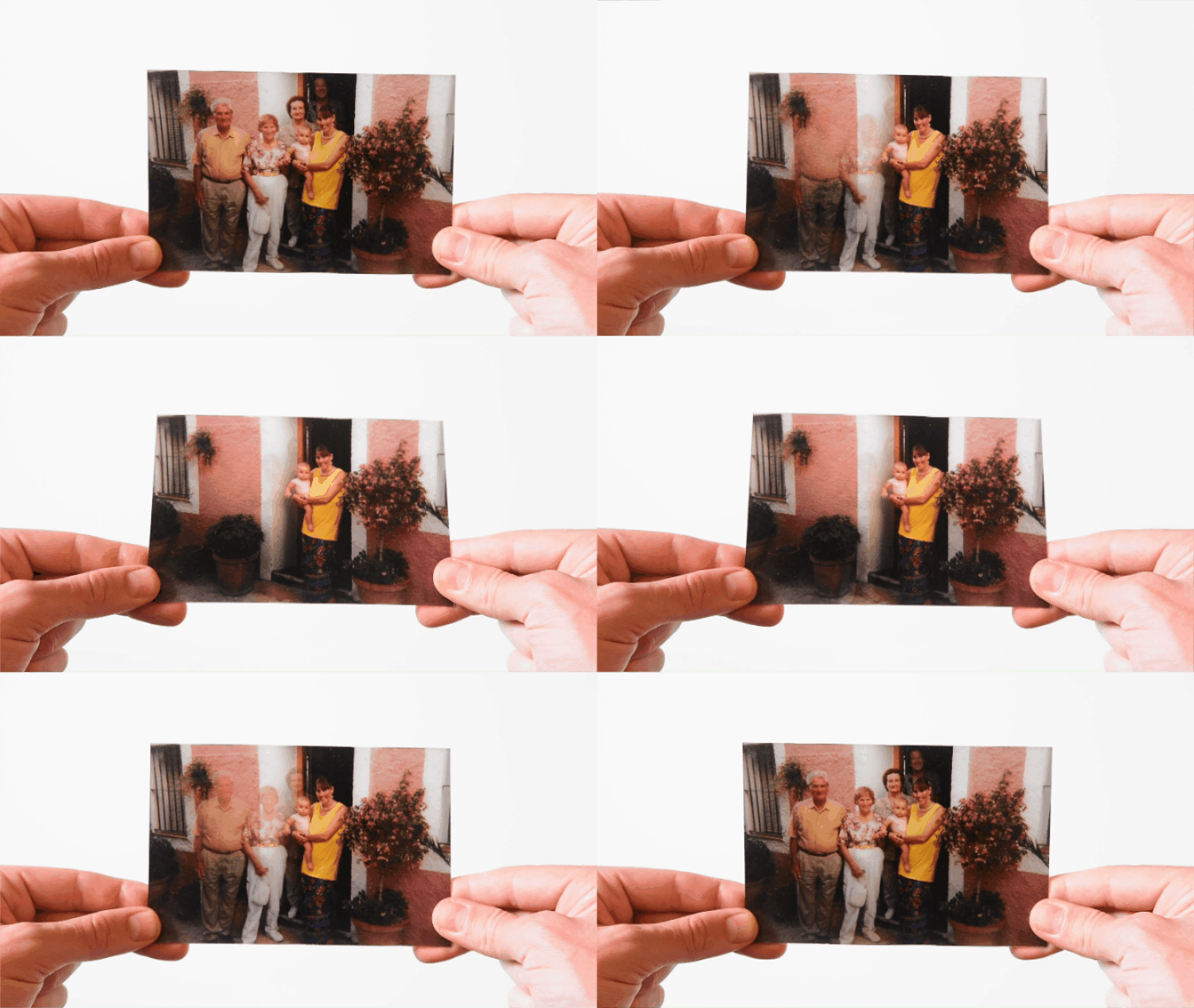
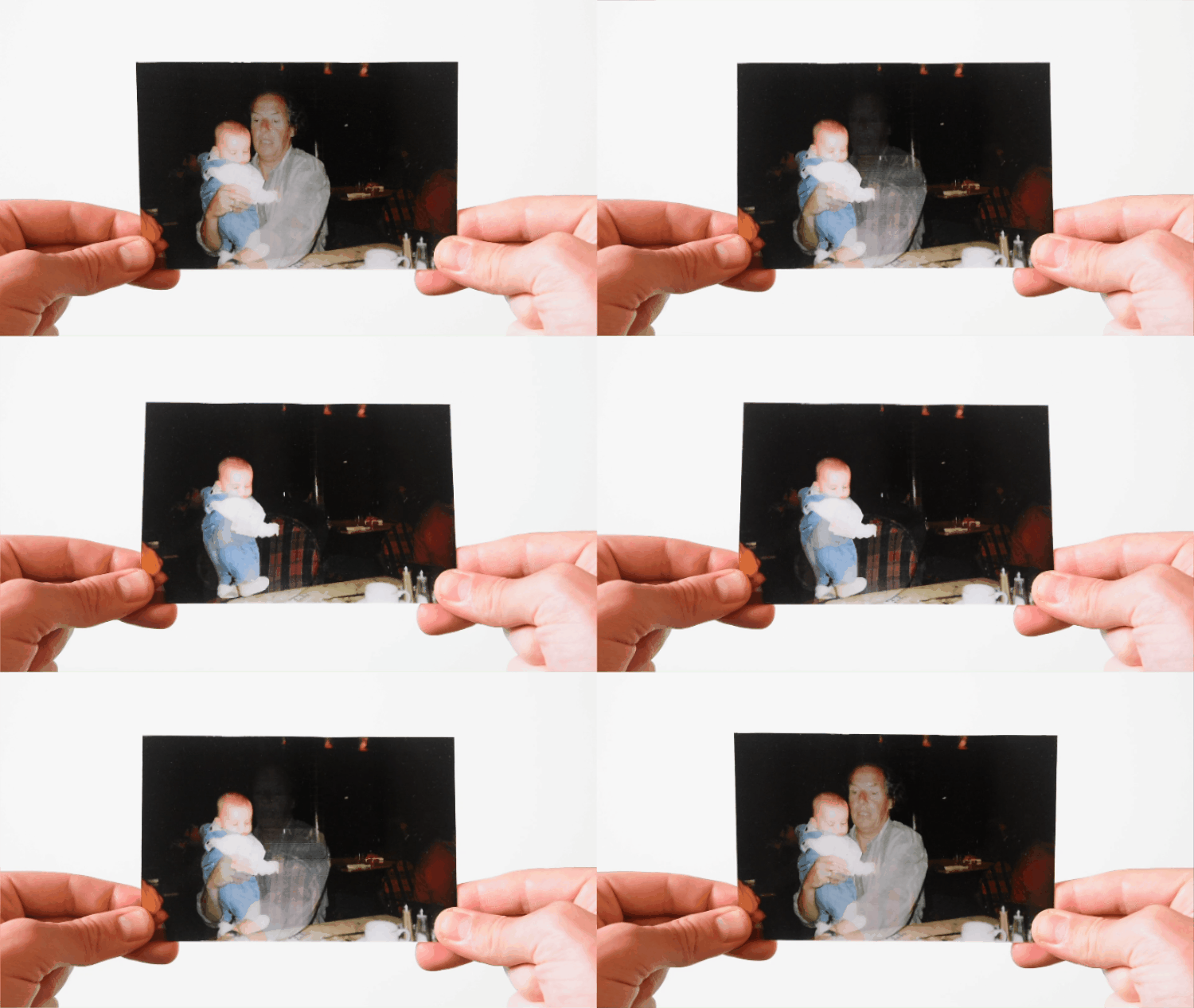
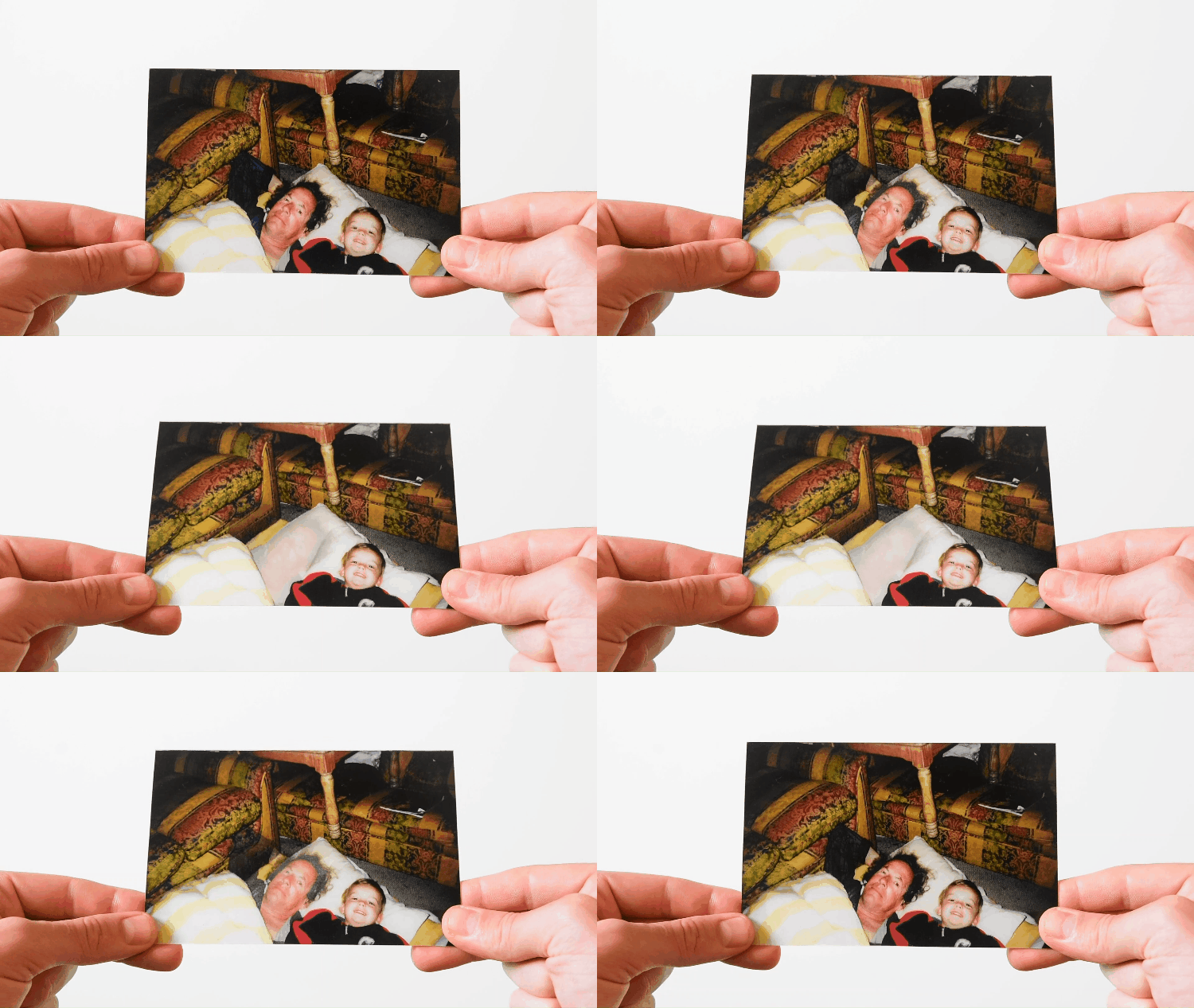
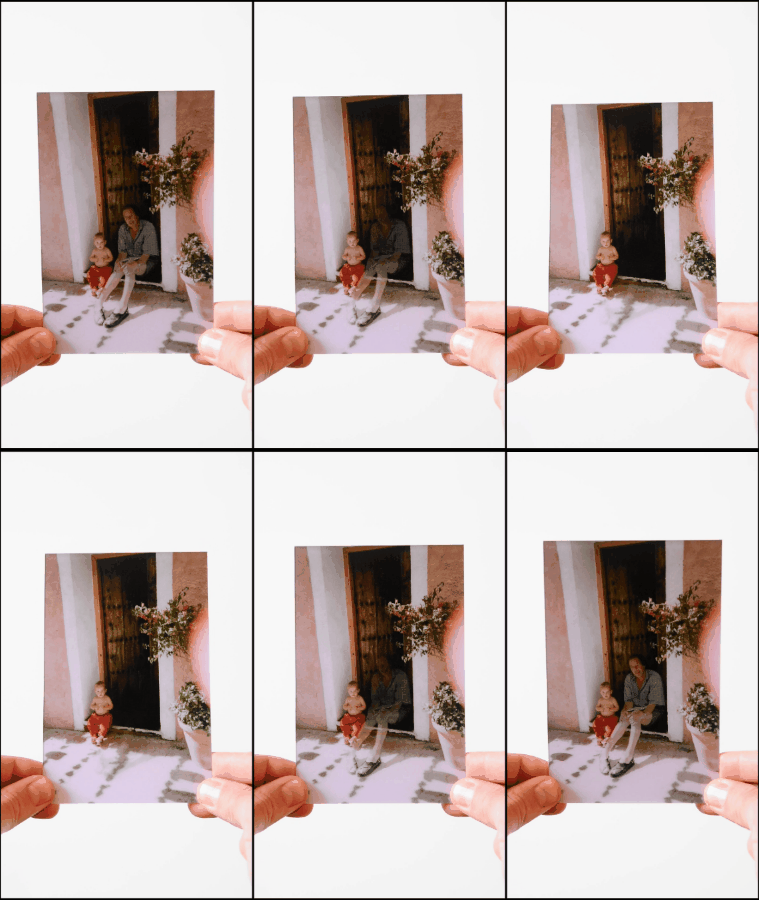
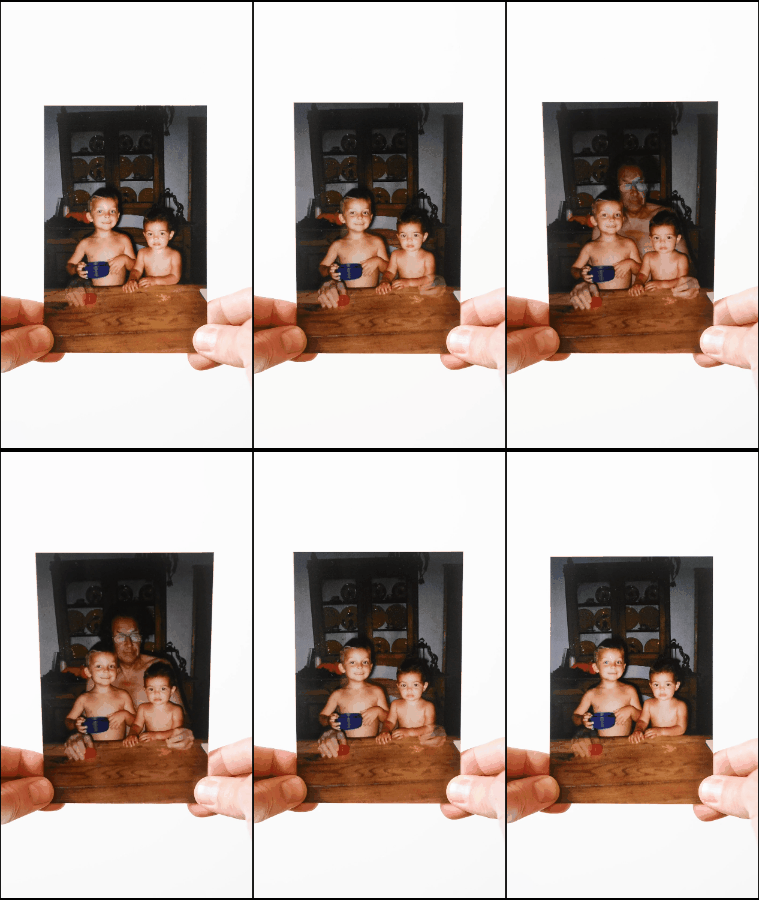
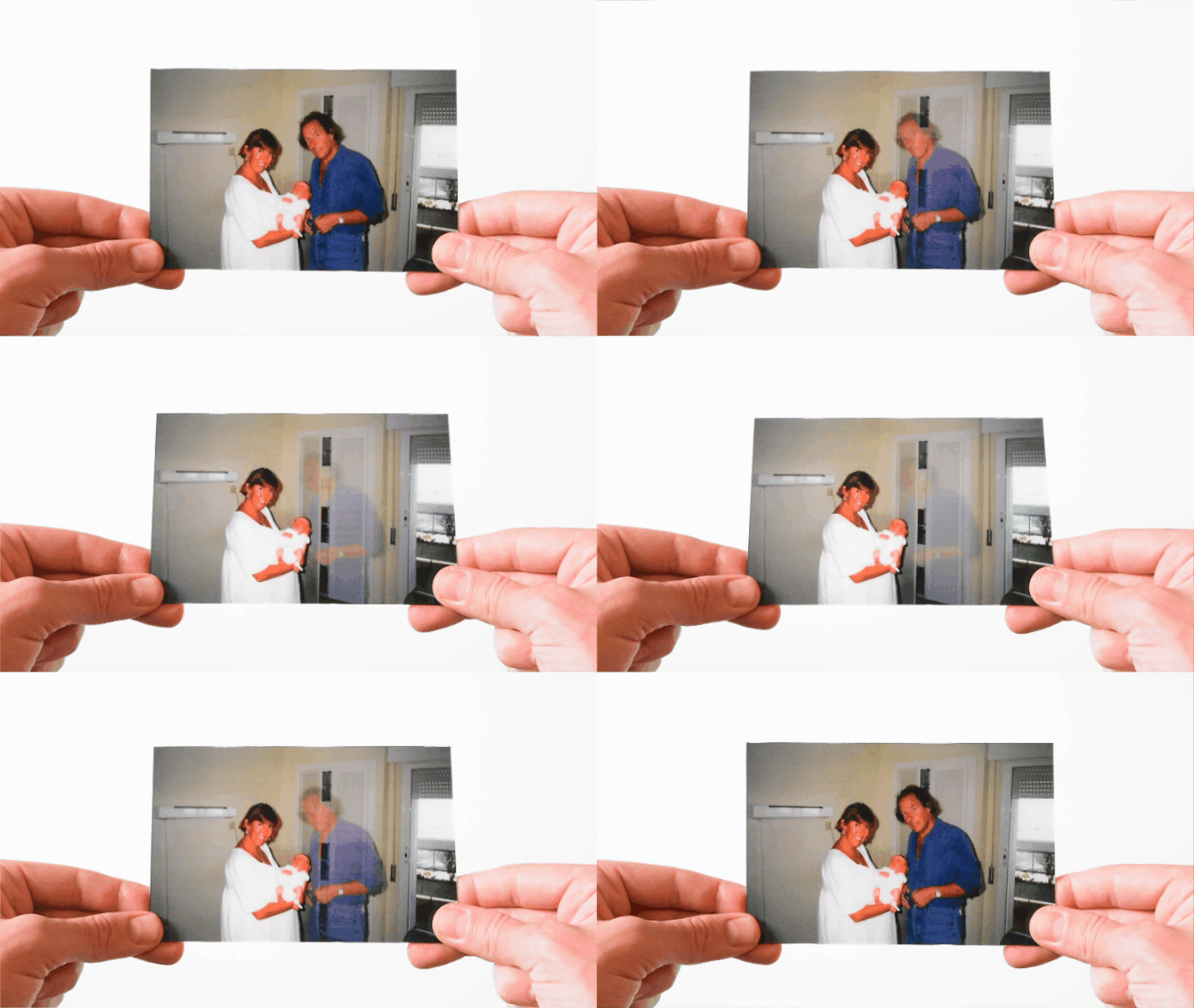
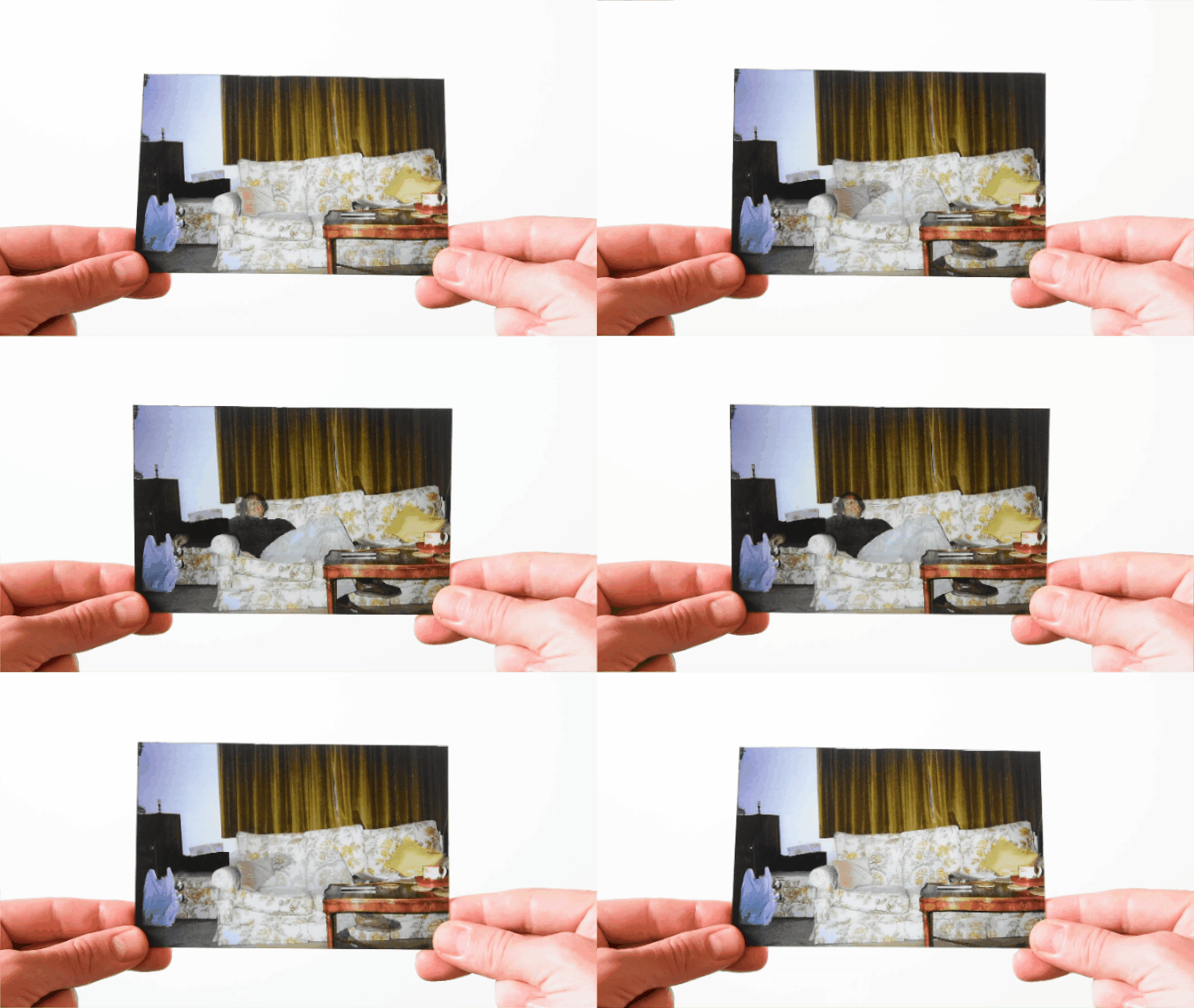
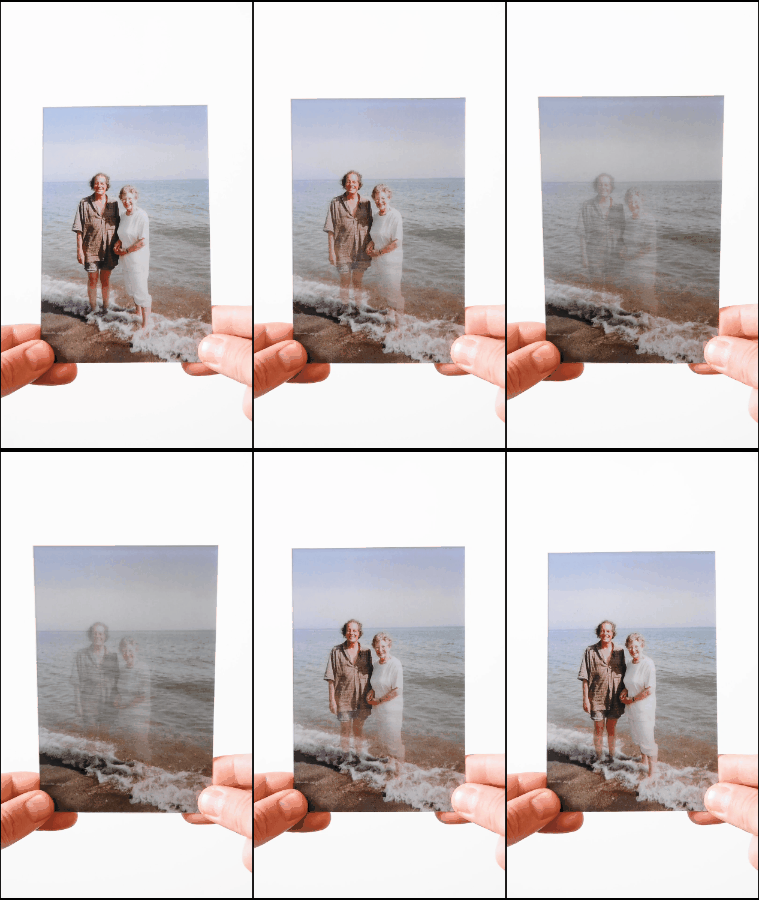
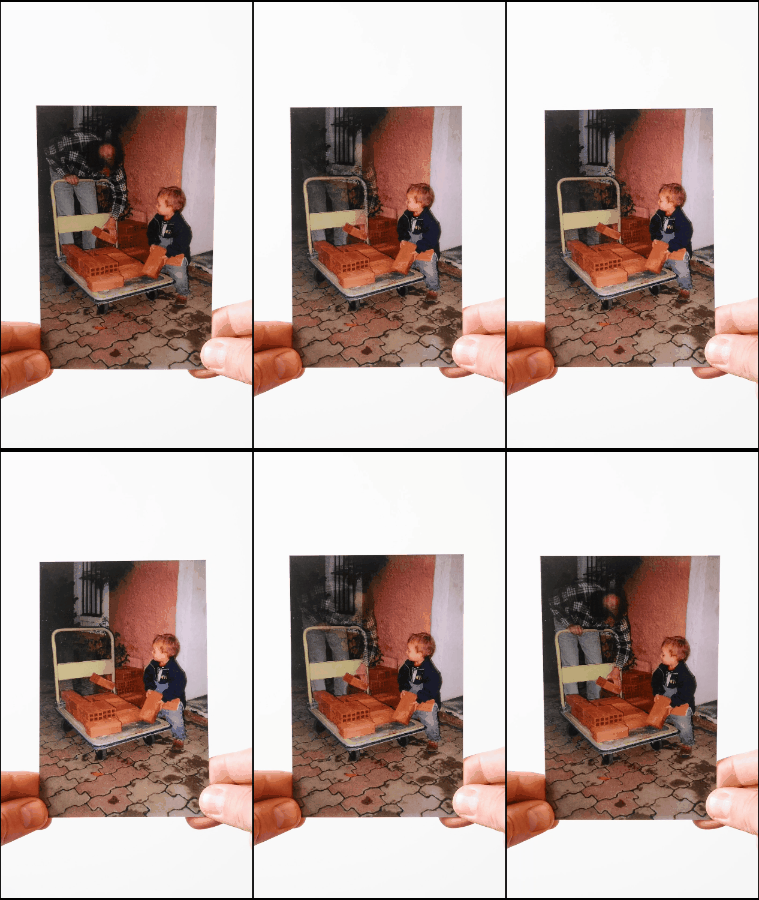
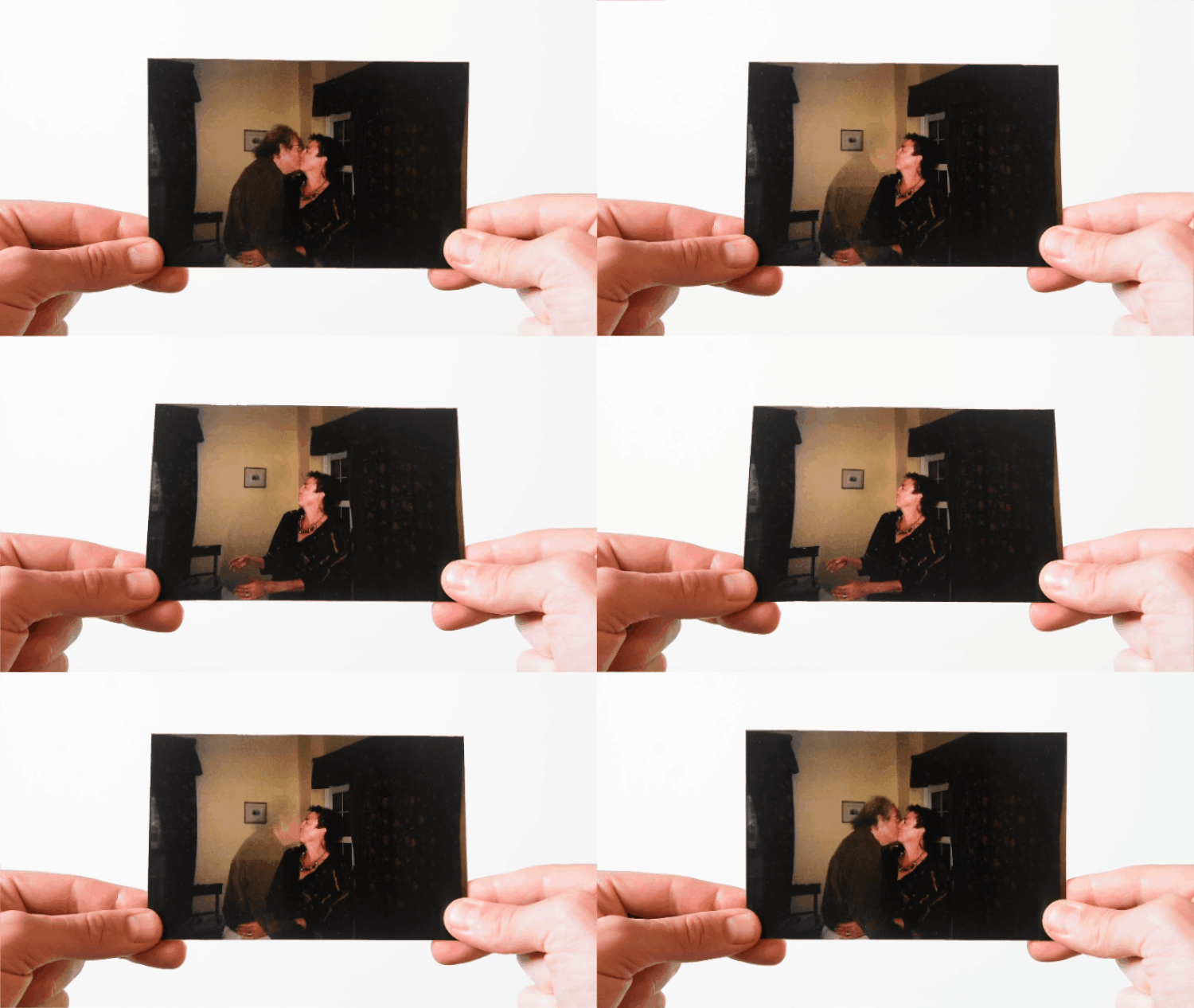
Conceptual photographer William Josephs Radford today announces Transparent, the fifth and final chapter in a five-part body of work made in the two years since the death of his father in 2024. Rather than using artificial intelligence to reconstruct or “bring back” a lost parent — a use case increasingly marketed by the growing grief-tech industry — Radford has spent six months doing the reverse: digitally removing his father from roughly two dozen family photographs and rebuilding the vacated space so precisely that the alteration is invisible in a still image.
William Joe Josephs Radford © All rights reserved
William Joe Josephs Radford © All rights reserved
The finished works are presented as lenticular prints in the classic 6×4 family-photo format. Tilted one way, the original photograph appears intact, father included. Tilted the other way, he is gone — the space he once occupied rebuilt down to the grain of a cushion, the pattern on a plate, the sharpness of a dresser’s edge. The shift between the two states places the decision of presence or absence directly in the viewer’s hands, requiring only the ordinary physical gesture of moving past a print in a gallery.
William Joe Josephs Radford © All rights reserved
Transparent marks a deliberate departure for Radford, whose decade-long practice has been built on in-camera techniques — light painting, intentional camera movement, lens masking — and a long-standing resistance to post-production. For this project alone, he set that principle aside, working in Photoshop and generative AI tools for longer than in the previous twelve years of his career combined. He describes the resulting images as “completely untruthful,” and, precisely for that reason, well suited to a moment when the reliability of the photographic record is under sustained public pressure.
William Joe Josephs Radford © All rights reserved
Radford arrived at the lenticular format only after testing several alternatives, including a bleach-and-masking process abandoned for practical reasons, and considered in-camera approaches such as physically occupying his father’s absence within a projected image. The eventual choice was guided by a wish for the work to be legible without an artist statement — an image, he has said, that a child could understand on sight.
William Joe Josephs Radford © All rights reserved
William Joe Josephs Radford © All rights reserved
William Joe Josephs Radford © All rights reserved
William Joe Josephs Radford © All rights reserved
Transparent was produced alongside the fourth chapter of the same series, Mourning Routine, an in-camera project shot entirely through the windows of Radford’s apartment — a choice he has described as a way of creatively offsetting his use of AI on the family photographs. Across the five chapters, the series traces a private process of grief through increasingly deliberate formal constraints, culminating in Transparent’s use of the same generative tools now sold as instruments of digital resurrection, redirected instead toward the harder work of letting go.
William Joe Josephs Radford © All rights reserved
William Joe Josephs Radford © All rights reserved
William Joe Josephs Radford © All rights reserved